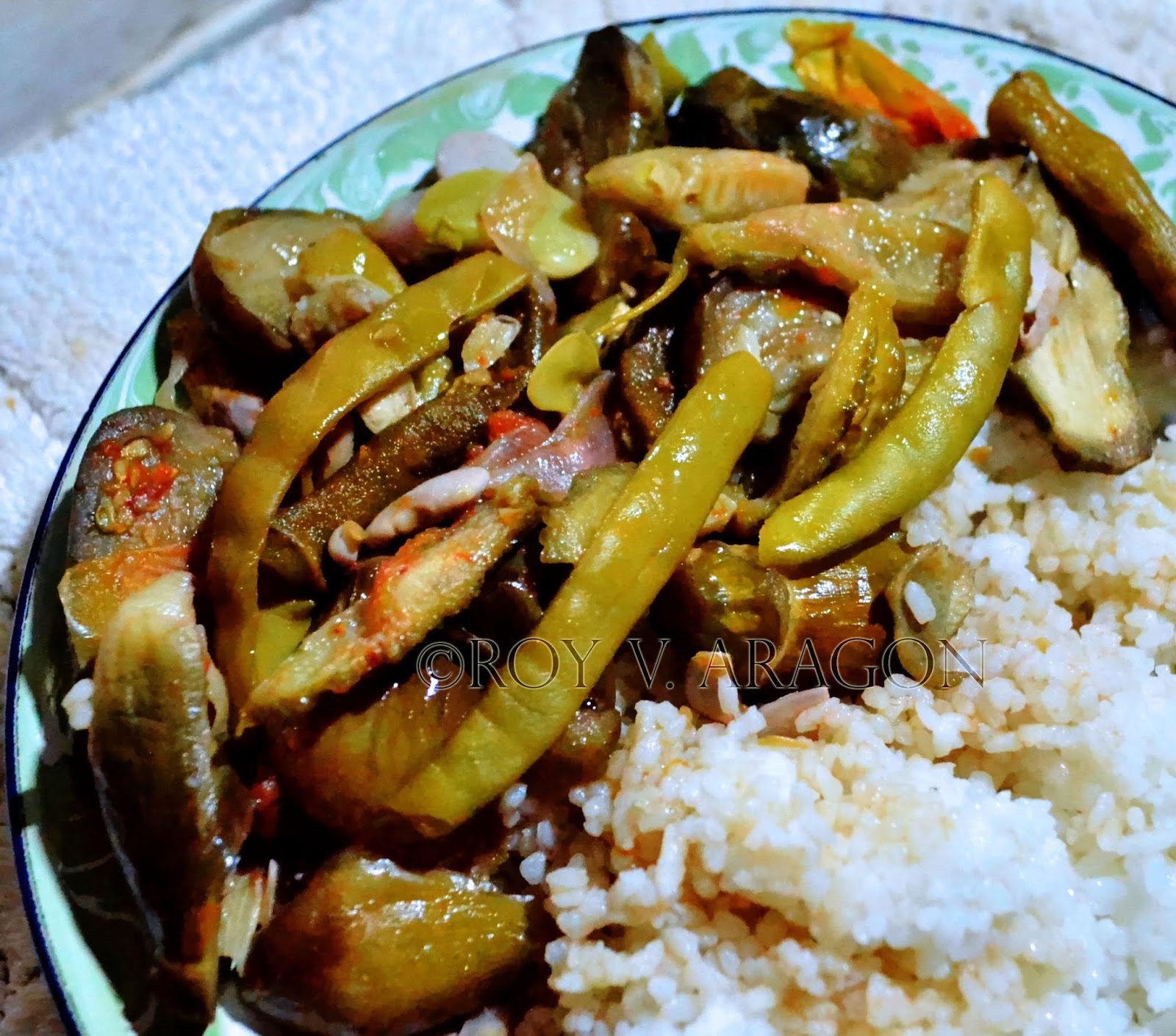
dinengdeng, glorious dinengdeng!

I'm a typical Ilokano who can't live without dinengdeng, come share my passion...

various authentic, exotic, ilokano pinakbets

Concoction or variations of this kind of exotic Ilokano dish, of this ever ubiquitous vegetable stew...

sinanglaw? paksiw? which?

What do you prefer, Vigan-sinanglaw or Laoag-paksiw? What about pinapaitan and singkutsar?

unnok/ginukan, freshwater shellfish

Want some unnok soup or ginukan bugguong?

baradibud a tugi, lesser yam vegetable stew

Tugi, for some, is only meant to be boiled and eaten simply as is. But for me, it's an indispensable ingredient for yet another hearty Ilokano dish...

8/08/2026

how and why bagbagkong, padpadol, pusapusa, kapaskapas is named as such

The sabidukong or sabsabidukong has so many names and most of it are in Ilokano and depending on places or areas (mostly in Northern Luzon) where people used to call this climbing vine now famous for its seasonal blossoms and pods in a variety of monikers.


Particularly, the fruit.pod is called padpadol because it resembles or looks or shaped like a "padol" (stake in Ilokano).


Bagbagkong because again it resembles a dagger or a kunai (Japanese or a ninja tool/weapon) and
"bagkong" is stab or to stab (bagbagkong literally means an object used to stab or for stabbing)/


Kapaskapas because of the cotton-like strands of the insides of it when matured (the seed too has a cotton-like "wings" that disperse and fly when the fruit is dried).

Titibbien because, again, of its cotton-like ("kapas") resemblance, from "tibbi" which means "weave" and "titibbien" means something to be woven.

Pusapusa, well, because of the cotton-like thing, that resembles a cat's hair.

Dogdogsol is same as bagbagkong in that "dogsol" (dugsol) is anything that has a sharp end, something used to thrust, poke, pierce, stab.

Patpatayok because of the "winged seed" that fly away up (tumayok, tayok is go up high).

:::::

Meanwhile, here are some very good padpadol dishes:


Dinengdeng a padpadol with utong:


Padpadol as a veggie in a pinakbet:


Padpadol with sauteed sardinas (canned sardines in tomato sauce);

dinengdeng a padpadol, singkamas, pallang, ken uong


Yet another delicious and super palatable vegetable dish, dinengdeng, this time with the beloved natural umami-flavoring uong ti garami (also called uong-saba because it also grows wild on rotting banana stalks/leaves or right on the foot of banana plants specially during the wet/rainy season; but it naturally thrives most and abundant and robustly on decaying mounds of rice straw/stalks or garami as substrate, thus the name "rice/paddy straw mushroom). And yes, it is paired with the now-famous fruit or pod of the sabsabidukong or bagbagkong vine, and together with another equally being famous veggie fruit nowadays, singkamas pods. Some pallang pods are also added later.


The mushrooms are not presentable in their wilting state here because it was wrapped unceremoniously when bought at the market. But nonetheless, the freshness of its being an uong is intact.


The singkamas and pallang pods are not photographed before cooking. But here is the result of the mix, already cooked and so fragrant because of its bugguong implement.


The padpadol (one of the monickers of the sabidukong pod, being a dagger-like one), is so sweetishly enjoyable palate-pleaser in this one-of-kind dinengdeng:


:::::

For more Ilokano vegetable dishes, you can follow Ilokano Food page on Facebook and enjoy more sumptuous photos of dinengdeng and other vegetable dishes plus more veggies

Follow also Ilokano Food @ Instagram and subscribe to Ilokano Food YoutTube channel for more photos, videos, and stories about Ilokano food, cooking, cuisine, and culture.


:::::

More about sabidukong:


1/20/2022

pinakbet ala-casantolan

This is the way we (well, me, actually, and if I say "we", my late mother would be a very special and a most honorable mention here because it was her who influenced me, and virtually taught me, all things about pinakbets, dinengdengs, and anything nateng) cook the great Ilokano signature dish pinakebbet, or more popularly known as pinakbet, (not the non-Ilokano [because grammatically incorrect]  Tagalogized "pakbet") in Casantolan (Nueva Vizcaya), my place of birth and early domicile, and my place of longing to be settled at again, to get back in and to return to, well, soon.

And, this is the way I cook pinakbet whenever I am in Casantolan--what with the ready ingredients available and with the cooking wares and familiar cooking traditions I was used to as a barrio boy (again, all thanks, I owe it to my mother).


On one of my random visit, I came upon these available veggies ready at home, bought at the market in Bambang and some picked right in the backyard garden: paria, tarong, okra, bunga ti singkamas, kamatis. 


I began preparing the veggies. I am happy that I chanced upon this rather rare opportunity to have these smallish native bitter melons and this variety of eggplant which is just so good for this Ilokano signature dish, the small okras, and yes, the jicama fruit.


Of course, the tomatoes. And onion and ginger. The onions are chopped, the ginger is crushed for it to give its maximum zing.


For a while, I remember something that will make my pinakbet more gorgeous and delicious. I went by the shrubberies and climbing vines and gathered some patani (also called "pulomingko") pods. These are a very good companion to an Ilokano pinakbet, I promise!


This is how I cut the tarongs. And here they are in the cooking pot. Level by level. And drenched atop with bugguong "juice". I didn't put any water. The veggies' own juices, and the bugguong's, will suffice. It will "agdanum" later as the kamatis will give all its essence to "pakbet" its veggie friends.  
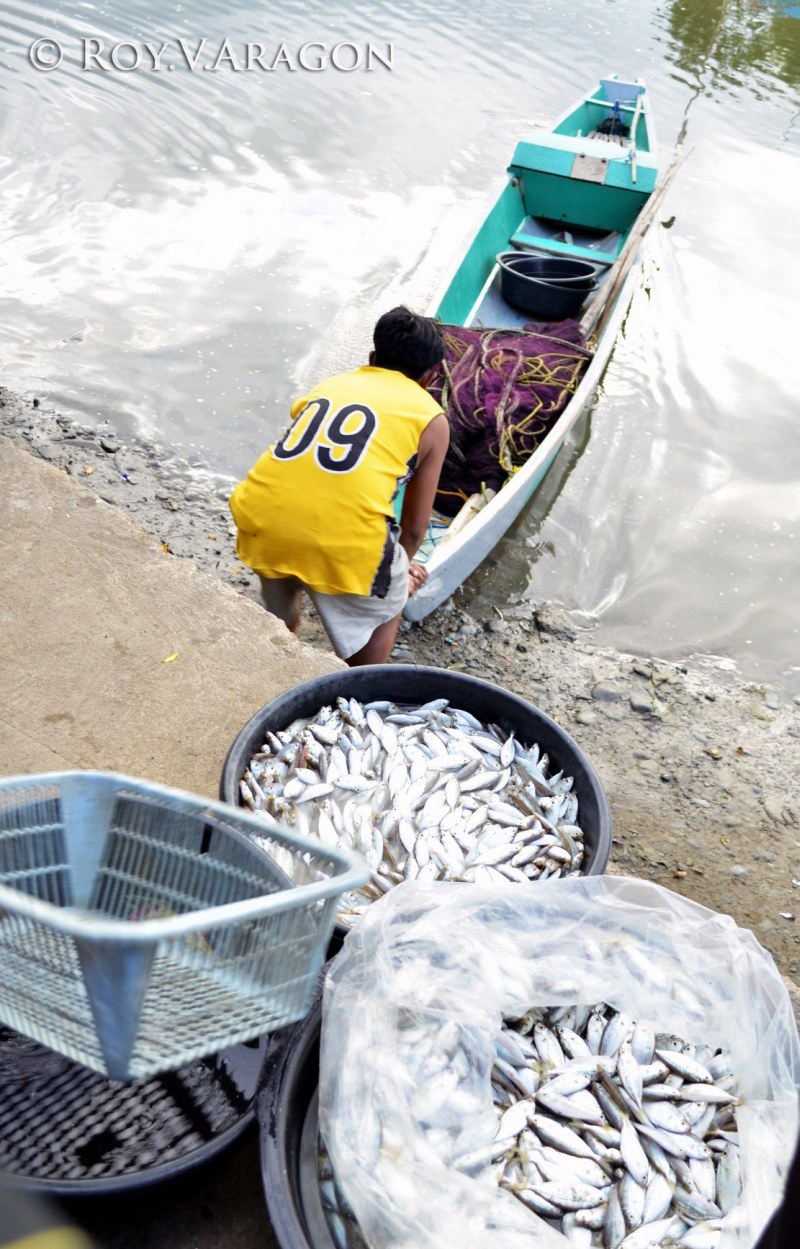


And yes, this pinakbet has to be pure as in just vegetables and no sagpaws or add-ons of any kind. No meat, no fish. Nothing. Just nateng.


The singkamas will be put on top as it cooks faster. I want it crispier.


And here, I cooked it just the way a good pinakbet should be cooked--using firewood on a DIY iron stove in a makeshift "dirty kitchen" outside the house.


Note that this is the available cooking ware around, I would have slow cooked my pinakbet in an earthen pot if there's any.


And here it is, it's done:


Look at that:


Just take a look and imagine:


Isn't it an absolutely gorgeous pinakbet? Wanna bet?


Yes, this is how we, how I do, in Casantolan, with matters like pinakbet:


More:


And more:


Okey, enough. Let's eat. Here's my labay, come and partake:

12/01/2021

kilawen a babassit a talibukno


This is fresh and raw fish prepared as a "salad" or kilawen. This particular fish is called talibukno (variably identified scientifically as Leiognathus ruconiusGazza minuta, and others) and fished from Claveria, Cagayan, best as a kilawen at this size of growth, small ones and bite size so you can consume all of it, head and intestines, bones--perfect for a kilawen nga ikan just like that of the munamon/taburkit, or padas, or tirong.


A bounty fresh from the sea:

A kilogram of talibukno for the kilawen:


The preparation. Ginger and onions are a must. And salt, of course.

And a freshly squeezed calamansi juice as a souring agent with a zing (vinegar not recommended):

Mince them finely and mix:

And here it is. It invites you yo bring out your drinks as this is best for pulotan: What's missing here is, of course, sili ti sairo to make this a sure spicy hot kilawen.


Enjoy!


:::::


More kilawen nga ikan:

Follow also Ilokano Food @ Instagram and subscribe to Ilokano Food YoutTube channel for more photos, videos, and stories about Ilokano food, cooking, cuisine, and culture.


~~~~~