dinengdeng, glorious dinengdeng!

I'm a typical Ilokano who can't live without dinengdeng, come share my passion...

various authentic, exotic, ilokano pinakbets

Concoction or variations of this kind of exotic Ilokano dish, of this ever ubiquitous vegetable stew...

sinanglaw? paksiw? which?

What do you prefer, Vigan-sinanglaw or Laoag-paksiw? What about pinapaitan and singkutsar?

unnok/ginukan, freshwater shellfish

Want some unnok soup or ginukan bugguong?

baradibud a tugi, lesser yam vegetable stew

Tugi, for some, is only meant to be boiled and eaten simply as is. But for me, it's an indispensable ingredient for yet another hearty Ilokano dish...

Showing posts with label Pinoy Food. Show all posts

12/01/2021

kilawen a babassit a talibukno


This is fresh and raw fish prepared as a "salad" or kilawen. This particular fish is called talibukno (variably identified scientifically as Leiognathus ruconiusGazza minuta, and others) and fished from Claveria, Cagayan, best as a kilawen at this size of growth, small ones and bite size so you can consume all of it, head and intestines, bones--perfect for a kilawen nga ikan just like that of the munamon/taburkit, or padas, or tirong.


A bounty fresh from the sea:
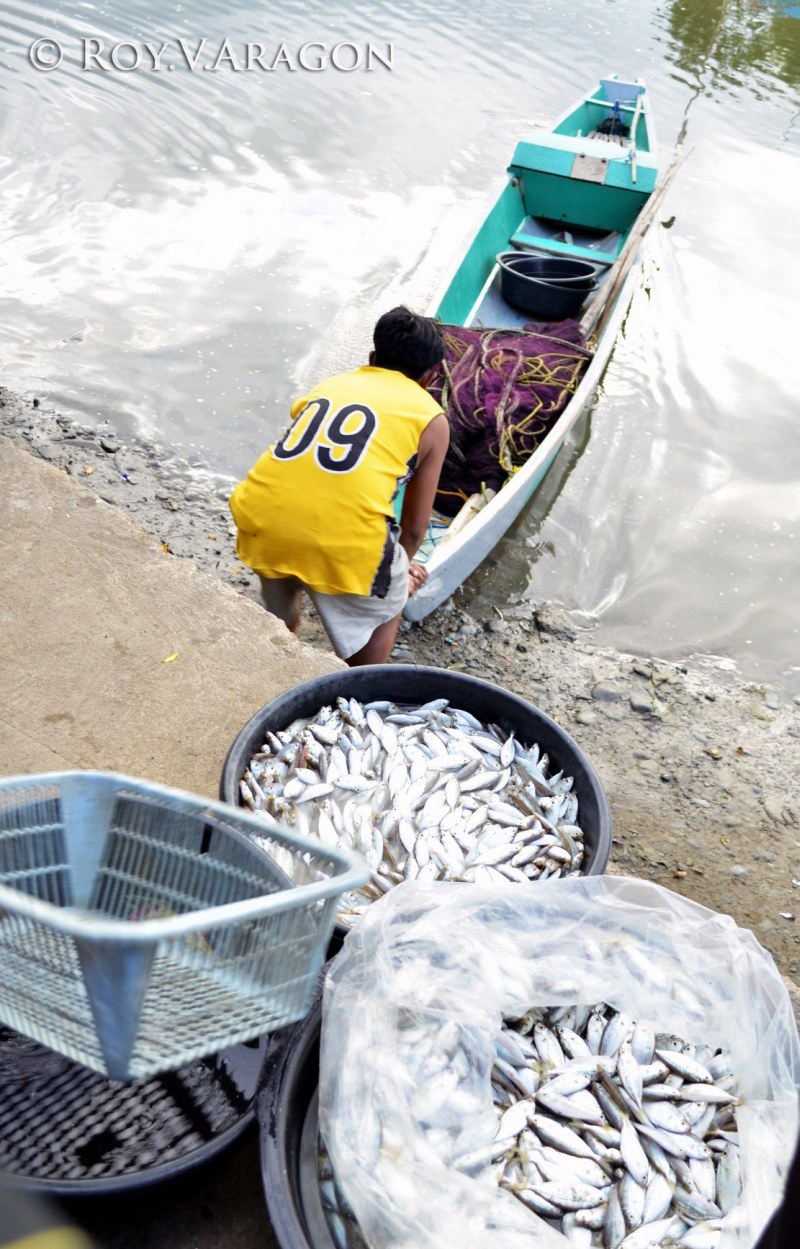
A kilogram of talibukno for the kilawen:


The preparation. Ginger and onions are a must. And salt, of course.

And a freshly squeezed calamansi juice as a souring agent with a zing (vinegar not recommended):

Mince them finely and mix:

And here it is. It invites you yo bring out your drinks as this is best for pulotan: What's missing here is, of course, sili ti sairo to make this a sure spicy hot kilawen.


Enjoy!


:::::


More kilawen nga ikan:

Follow also Ilokano Food @ Instagram and subscribe to Ilokano Food YoutTube channel for more photos, videos, and stories about Ilokano food, cooking, cuisine, and culture.


~~~~~


2/01/2021

lauya a kamanokan & darangidangan a kapapayaan, native chicken soup with partially riped papaya

One of the most delicious, most savory, most gorgeous chicken soup or stew, for me, is of course, that of the "kamanokan" or free-range native chicken cooked/stewed for almost an hour in moderate fire to let its insane aroma and tasty fat to ooze out, turning the broth golden and thick. The beloved lauya a manok or tinola a manok. And of course, with the obligatory add-on, the distinct and essential green papayas and chili leaves or paria leaves or marunggay leaves.

But I adore more the almost ripe green papaya to complete my favorite lauya, for its obvious sweetness that enhances the soup/broth more and turns it more golden and delicious.

This is it:


A perfect labay!


::::


More "kamanokan" dishes:


12/03/2020

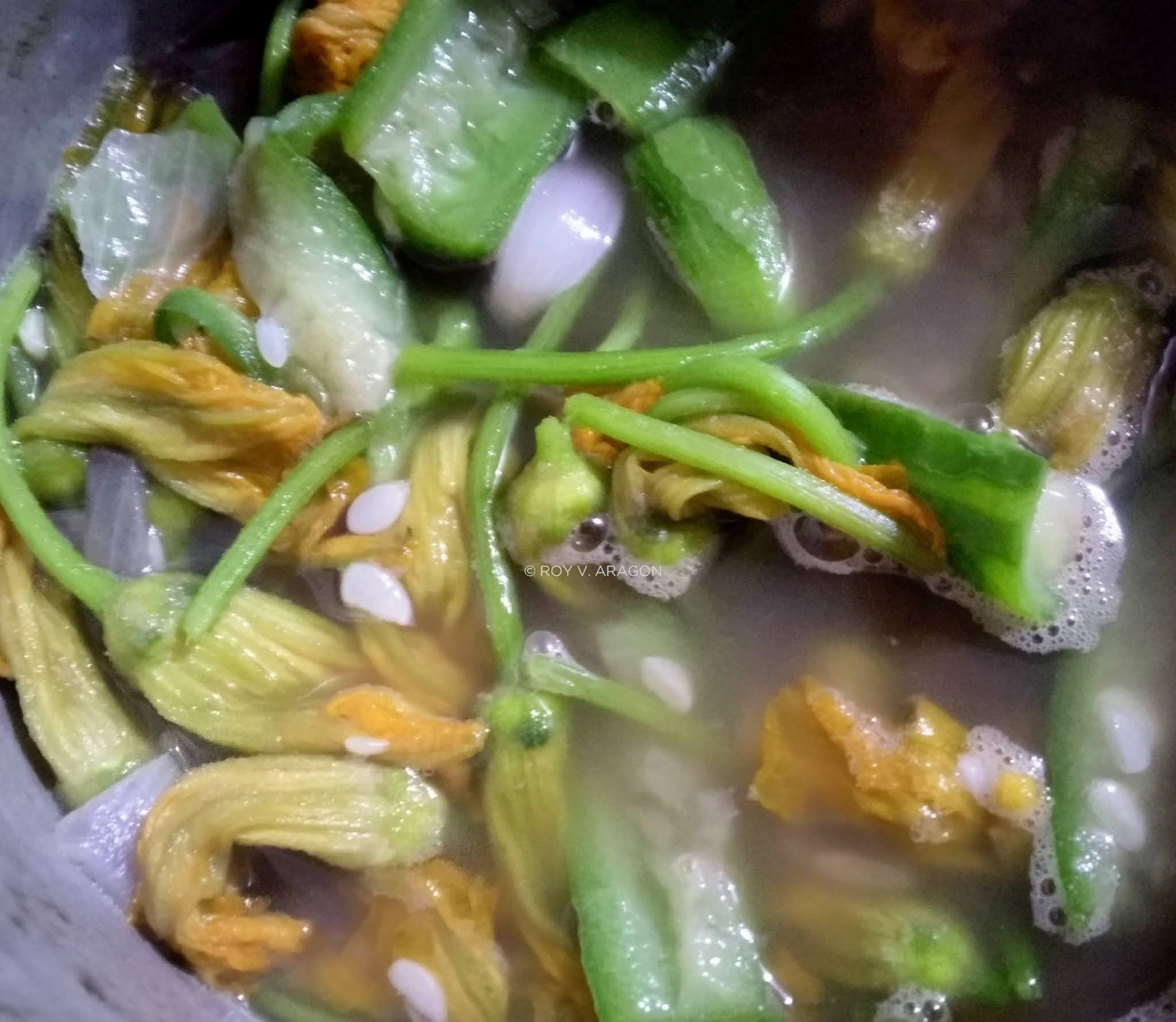
dinengdeng a sabong ti karabasa ken kabatiti, squash flower & sponge gourd

This is one most favorite Ilokano dish, a dinengdeng consisting a flower and a fruit and that's all that matter. Karabasa. Kabatiti. These two bring forth sweetness, literally sweet from the blossom's floral nectarines (that's nectar, honey!), and the pod's natural sugars in there. Sweetness that is further enhanced and defined by the Ilokano bugguong to concoct a unique dinengdeng broth so delicious, rich, comforting. 


The cooking:

(Subscribe to Ilokano Food YoutTube channel for more photos, videos, and stories about Ilokano food, cooking, cuisine, and culture.)


Naluton!


Mangantayon!


:::::


More dinengdengs:


7/01/2019

alukon and sweet potato tuber: a perfect baradibud

Gotta get back to more dinengdeng, more veggies ngarud as is my wont. And now, it's alukon season, and the first that came into mind when I got an alukon is to pair it with bagas ti kamotig--into a baradibud:


I made it with tarong and some kalunay, and with some bits of tinapa (smoked galunggong):


So sweet, so starchy, terrific!


:::::


More baradibud/baradibod dishes:


1/19/2019

mongo beans soup with rattan bud/shoot

Boiled balatong (mongo, mung beans), sautéed with lots of onions and garlic, is one stable Filipino viand especially preferred during rainy and cold days. Paired with a variety of other vegetables (specially green leafy veggies) and meat and fish sagpaws (add-on), it’s one appetizing dish to go with steamed rice. A favorite companion vegetable is usually the leaves or fruit of paria (amargoso, ampalaya, bitter melon) as the bitterness of it is just a perfect flavor of the exotic kind to blend with the starchy balatong.


And speaking of exotic bitterness, here’s a bunch of ubog ti way (rattan bud/shoot) to offer just that bitterness:


Peeling of the stalks of the shoots:


And there’s the boiled balatong ready:


The ubog now cut and ready:


The sautéed balatong now being boiled with the ubog ti way:


And it’s done, here’s one bean soup with a touch of exoticness, bitter but so delicious and comforting:


See more ubog recipes:


1/16/2019

kilawen a kalding, goat skin, meat, and liver "salad"

This is "kilawen a kalding" ("kilawing kambing" in Tagalog) or goat's singed/burnt skin and grilled meat and liver chopped and spiced and made into a kind of "salad." An Ilokano dish, it is kind of "exotic" to others but is a popular goat dish throughout the Philippines. What's distinctly Ilokano about it is that Ilokano folks, used to bitterness, err, bitter food, usually season it with the goat's bile or the pespes (extract of the undigested grass) itself.


Let's take a look at the mystery of this authentic Ilokano delicacy... Here's the goat's skin/hide, its hair singed, cleaned, this is slightly boiled to tenderize the hide:


And this is the meat and the liver, slightly grilled and so it's succulent and sweet:


Chopping time!


Chopped goat goodies:

And spiced with onions, ginger, salt, some vinegar (calamansi juice is more preferred), chili if you prefer it really spicy, and pour in some bile or pespes and thoroughly mix the whole lot and it's ready. This is the best for pulutan or finger food for drinks!


Related dish:


~~~~~

4/14/2015

dinengdeng/baradibud a kamangeg, samsamping, parda ken kabatiti; wild yam with blue pea, hyacinth bean and sponge gourd

Samsamping, parda ken kabatiti a nabaradibudan iti bagas ti kamangeg.
Yet another rare chance, opportunity, if you will, to find something like these wild bounty of the land right in a local market in the city--yessir, that's the rare wild yam kamangeg (Dioscorea luzonensis), a one of a kind edible tuber that grows wild just in the wild "deeply embedded in hardened soil in forested and mountainous areas" in the Ilocos; and to top it, there's another wild vegetable that yet again just grows wildly: samsamping (Clitoria ternatea Linn; in some areas it is called kalumpagi; blue pea in English).

I always see a yet another delicious starchy dinengdeng called buridibud when I see kamangeg, So this is yet another opportunity to make one, what with the perfect willd veggie fruit of a samsamping to pair it.


Luckily, I also got another so-called "native" Ilokano vegetable fruit: parda (Dolichos lablab Linn; hyacinth bean) which is just so good a pair for my buridibud.


So, there, this parda:

And the samsamping:


I also got the smaller and sweter native kabatiti (sponge gourd; not photographed) as another veggie fruit for that perfect buridibud. Together they will grace my platefuls of steamed rice. But first things first, I boiled some bugguong in a minimal amount of water, with some slices of onions for aroma and flavor. Afterwhich I simmered into the bubbling bugguong mixture the cut kamangeg, let it cook for about 20-30 minutes and then into it the kabatiti, samsamping and parda. Here it is, stewing and becoming thick and starchy:


And here's it, done! The broth is just as rich and thick and so flavorful and deliciously starchy and sweet. The fruit veggies are just cooked right not overcooked, to retain it's gorgeous color and crispness:


A really simple and easy dish but so good and healthy. Just plain dinengdeng/buridibud without sagpaws or add-ons to really savor the veggies and the rare kamangeg. Absolutely amazing Ilokano food!


:::::